Our Identity
FESSIA draws inspiration from a resilient flower that thrives in harsh conditions, yet continues to grow and adapt.
This reflects our approach to the energy transition: navigating competing priorities, system constraints, and evolving markets with resilience and clarity. Like the flower, we remain grounded, resilient, and focused on building what is needed for the future.
Our visual identity reflects the interconnected nature of modern power systems. The individual elements represent key components, including energy storage, working together in a dynamic, evolving structure.
At its core is system integration, enabling these parts to function as a coordinated whole and support reliable renewable energy integration at scale.
What We Do
We bring together industry, policymakers, utilities, academia, and civil society to address the practical challenges of integrating large shares of solar, wind, and other variable renewable energy.
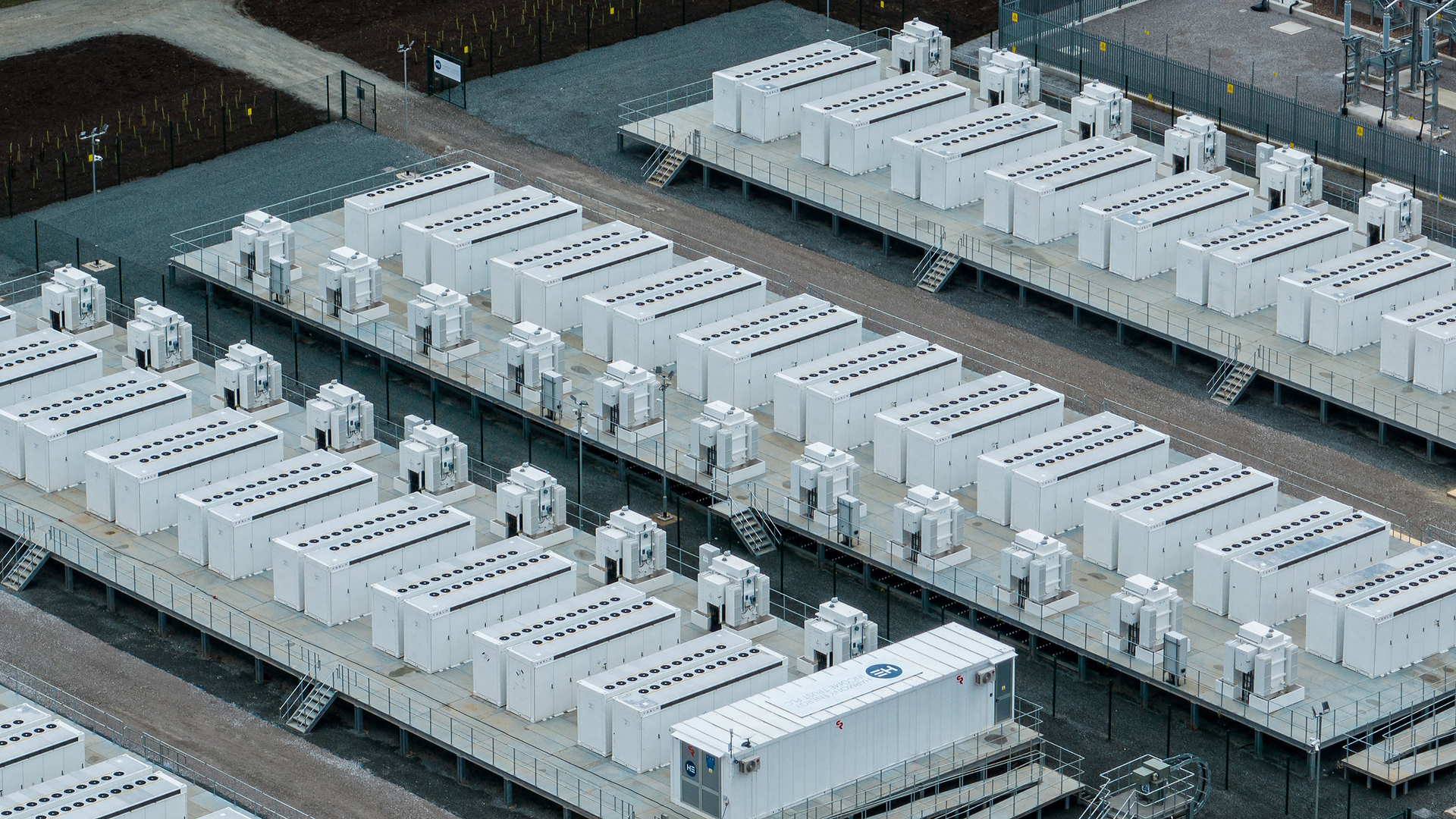
Our work is anchored in the Route-to-Market framework, which creates clear pathways for deploying battery energy storage systems in the near term and long-duration energy storage in the years ahead.
Based in Singapore, we focus on Tier 1 markets in Vietnam and the Philippines, with expansion across ASEAN.
The Challenge We See
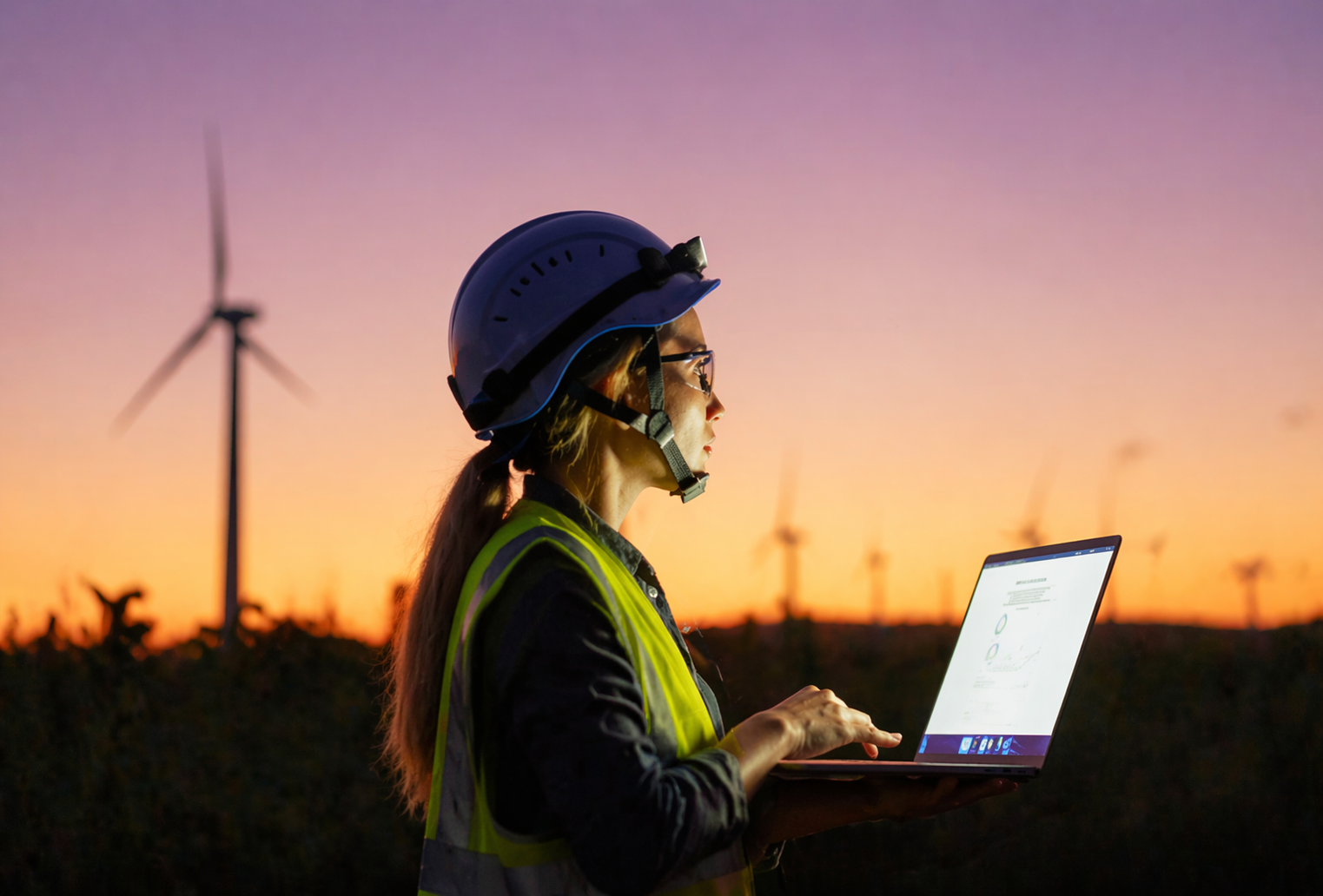
Southeast Asia is rapidly scaling solar and wind power to meet net-zero targets. As more variable renewable energy is integrated into power systems, maintaining grid stability and reliability becomes increasingly complex.
Flexible power systems and large-scale energy storage are essential to ensure the energy transition can progress at scale and at speed.
We see this not as a barrier, but as a clear opportunity to act.
What We Want to Achieve
We aim to enable flexible and resilient power systems across ASEAN that support high shares of renewable energy while maintaining reliability, affordability, and energy security.
By 2030, we seek to accelerate widespread deployment of battery energy storage systems. Beyond this, we support the development of long-duration energy storage to enable deeper decarbonisation.